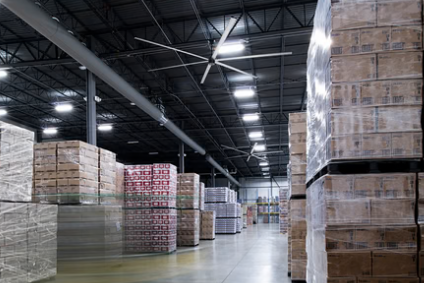

If you’ve walked into a warehouse where the ceiling feels like a sauna but the floor is still chilly, you’ve felt the problem firsthand. Heat stratification can create a 10 to 30 degree difference between the top and bottom of the space, affecting employee comfort, stored products, and energy bills. One of the simplest ways to fix this is to optimize warehouse conditions with large industrial fans, which gently circulate air from top to bottom. These fans help balance temperatures naturally without constantly adjusting the thermostat. The result is a more comfortable, efficient, and safe environment for everyone inside.
Understanding Heat Stratification in Warehouses
In a large warehouse, warm air rises and cooler air settles, leading to significant temperature variations from floor to ceiling. That can mean workers are bundled up down below while the upper levels feel overheated. Recognizing that airflow patterns are the first step toward a more comfortable, efficient workspace.
Why Touching the Thermostat Isn’t the Answer
Constantly adjusting the thermostat might seem like a quick fix, but it often leads to wasted energy and uneven comfort. The temperature gap in a warehouse is too large for the thermostat alone to fix. Finding smarter ways to move air can solve the problem without overworking the heating or cooling system.
How Large Industrial Fans Can Help
Large industrial fans can noticeably improve a warehouse by boosting airflow, comfort, and overall efficiency. Here’s how they help:
Even Air Distribution
Large fans pull air down from the ceiling and keep it circulating throughout the space, helping smooth out hot and cold spots. With more even temperatures, employees are more comfortable, and stored products are less likely to be affected.
Energy Savings
By circulating air efficiently, fans reduce the workload on your HVAC system, thereby lowering energy costs over time. You get better temperature control without constantly cranking the heating or cooling, saving money and reducing strain on equipment.
Improved Worker Comfort
When airflow is consistent, people notice it right away. It can keep the warehouse cooler in summer and more comfortable in winter, without constant thermostat adjustments, so that employees can stay focused and productive.
Inventory and Equipment Protection
Consistent airflow helps prevent damp, stagnant areas where moisture can build up and damage stored products. It also reduces condensation around equipment, assisting machines to last longer and run more reliably.
Year-Round Benefits
Hvls fans for warehouse work well year-round. In summer, they keep air moving to make the space feel cooler. In winter, they bring warm air trapped in the ceiling down to the floor, which can reduce how hard the heating system has to work and help lower energy costs.
Placement and Size Matter
Where you place your fans and how big they are make a big difference in airflow. Fans should be positioned to cover as much open space as possible and reach high shelves or mezzanine levels. Choosing the right size ensures every corner of the warehouse benefits from consistent air movement.
Benefits Beyond Comfort
Large industrial fans don’t just make a warehouse feel better; they also improve worker productivity. They also offer real operational benefits and help safeguard your equipment and facility:
Protecting Inventory
Constant airflow plays a vital role in preventing moisture accumulation, which can lead to product damage or the formation of annoying mold. Temperature-sensitive goods remain in better condition when air changes are more consistent, resulting in less waste and higher profits.
Improved Air Quality
Fans keep air circulating, which disperses dust, fumes, and other airborne particles. Cleaner air means a healthier environment for workers and can reduce equipment maintenance needs.
Tips for Getting Started
Getting started with large industrial fans doesn’t have to be hard. Here are some simple tips that can help you make the most of your investment and see results quickly:
Start Small and Observe
Start with one or two fans in the best locations to observe how air moves and how temperatures vary. Watching the contrast beforehand enables you to strategize for more fans without overpaying or causing unnecessary drafts.
Choose the Right Fan for Your Space
Match the fan to your warehouse’s size, ceiling height, and layout. A properly sized fan delivers steady airflow throughout the building, helping air reach both employees and stored goods.
Position Fans Strategically
Place fans where they can cover the most space. The best practice is to keep the airflow free of obstructions, such as tall equipment or shelving. When fans aren’t blocked, they work more effectively and keep air moving to the far corners of the warehouse.
Monitor and Adjust
After installation, pay attention to how the air circulates. How do employees feel in the space? Minor changes, like adjusting speed or tilt, can noticeably improve comfort and airflow.
Consider Professional Guidance
If your warehouse is large or has a mixed layout, it may be worth bringing in a professional to map out fan placement for optimal results. Specialists’ advice is invaluable for preventing errors and getting the very best from improved air movement in your warehouse.
See also: Artificial Intelligence Pros and Cons
Conclusion
Heat stratification doesn’t have to be a daily frustration for workers or a drain on energy costs. By learning how to move air effectively, you can optimize warehouse conditions with large industrial fans and create a space that is comfortable and efficient year-round. The result is a healthier, safer, and more productive warehouse for everyone inside.
